
Daily Archives

2 Articles

Posted by admin on

Read On To Learn Why Harmony Pastel Is The Right Art Form For You

Imagine having soft color on your fingers and being able to blend dreamy clouds with a swipe. Have you ever looked at a blank piece of paper and felt like your hands wouldn’t move? The Tingology Harmony Pastel comes in. There are no rules, just fun. It’s like your favorite paintbox from when you were a kid.
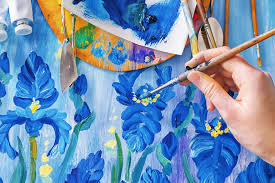
Harmony Pastel takes our thoughts off of the digital grind when they are tired. There are no screens, wires, or other things that try to get your attention. You have a color stick in your hand. It breaks, smudges, and gives up when you touch it. The process is so real and instant. You move—not just your fingers on the keys, but your whole arm. You leave your mark on the world with lines, smudges, and even fingerprints.

Harmony Pastel is so welcoming because it doesn’t care about being perfect. You can draw, sweep, and add color like crazy. Did you miss a spot? Allow it to be. Get that beauty that just happened. Pastel can forget, but it also loves brave people. It’s okay if your tree drawing looks more like broccoli. There you go, your vegetable tree.

The colors you choose are like plants. It’s not enough to just “pick blue.” You also try out dark sapphire, whisper-gray, and a wild streak of lemon. Layers mix together almost magically. You can take a step back, laugh at yourself, and ask yourself, “Did I make that?” All of a sudden, your whole dinner table turns into a painting surface.

You won’t need dull brushes or long settings. Start by picking up a pastel. There will be no warm-ups or stretching, unless you count stretching your neck while looking at your work from the side.

You might be one of those people who doesn’t want to be creative because they think their stick men are sad. That’s okay. Harmony Pastel is the best at making things fair. There is something appealing about the texture and the way it is open. You are messing around with colors one minute. The next thing you know, you’ve been daydreaming for an hour. When you look down, your hands are covered in every color. Each time you try, it’s different.

Rules from the past fall apart, just like the colorful dust on your table. This type of art loves being spontaneous and enjoys people who are fun. Do you want to work with someone? Compare messes, change colors, and give each other tips. Art should be a conversation, not a race.

Parents think pastel is a sneaky way to get kids to play instead of computers. It helps creative people clear their minds. Some say it’s like meditating, but without the smoke. Therapists say it’s a great way to relieve stress. You don’t have to spend a lot of money on lessons or supplies. Use recyclable paper and a cheap pack to have fun. You should try it on a cereal box!

Harmony Paste is like throwing open the windows and letting in a fresh breeze of potential if your creative flame needs air. Do not stress over what you should create. Let the color loose. Make broccoli trees. You only need to be interested and ready to get your hands wonderfully messy.

Posted by admin on

How to Deal with Conflict: Couples Counseling Tips That Work

Every relationship has problems, but how you deal with them may either bring you closer together or progressively pull you apart. When it rains, a leaky roof is like a relationship problem: it won’t mend itself, and ignoring it will only make it worse. Couples counseling gives partners access to tried-and-true methods that not only fix troubles but also make the relationship stronger in the long run.

Time-Outs to Calm Down
One of the easiest and most effective things to do when tempers flare and voices soar is to call a “time-out.” Counselors teach couples to agree on a term or sign that means it’s time to stop and calm off. It’s not about storming off in the middle of an argument; it’s about both people agreeing to take a step back before saying something harsh so that everyone can gather their thoughts and come back with a clearer point of view.

Instead of blaming, use “I Statements”
When you’re angry, it’s simple to blame someone else: “You never listen!” Counselors say to use “I statements” instead, like “I feel unheard when we talk about chores.” This small change can make criticism hurt less right away and inspire understanding instead of defensiveness, which makes it much simpler to talk about the problem without making things worse.

Listening and Reflecting Back
Active listening is one of the most important parts of resolving conflicts in therapy. You should not only wait for your moment to say; instead, you could repeat what you heard: “So, you feel overwhelmed when I work late?” This method makes communication clearer, cuts down on misconceptions, and lets your spouse know that you are really listening.

Soft Start-Ups for Hard Talks
Starting a hard conversation with criticism makes people defensive. Counselors explain how important it is to start conversations gently, with a focus on specific feelings and precise requests. Instead of saying, “You never help on weekends,” say, “Can we talk about how to split up weekend chores?” This method greatly raises the odds of a calm and productive conversation.

Small gestures and attempts to fix things
Even while you’re fighting, tiny gestures like a shared joke, a light touch, or a short apology can show your spouse that you’re still on the same team. These “repair attempts” assist ease the tension and stop dispute from ruining the whole relationship.

Changing roles to understand each other
Sometimes, counselors tell couples to reverse roles and talk about the problem from their partner’s point of view. It could feel weird at first, but it’s a great way to build empathy and frequently helps you understand each other’s experiences and triggers better.

Concrete Follow-Through
Finally, couples counseling stresses how important it is to follow through. During or after a fight, create modest, clear agreements, such agreeing to put your devices away during dinner or handing off chores. These promises make sure that conflict leads to positive change instead of just repeating old patterns.

You don’t need a degree in counseling to use these strategies; all you need is an open mind and some practice. Couples can learn how to fix leaks before storms come with a little help from a professional. This will make their relationship stronger, more resilient, and even able to enjoy the rain together.