
 admin on
 Why a Glass Water Bottle Beats Plastic and Steel
A glass water bottle changes how water tastes, feels, and behaves in your day. Somewhere between morning coffee and late-night emails, hydration becomes automatic. That habit sticks better when your bottle doesn’t smell like yesterday’s lemon slice. In shared spaces, even places that deal with commercial cleaning, glass stands out because it stays neutral and honest. Water tastes like water. Nothing else sneaks in.
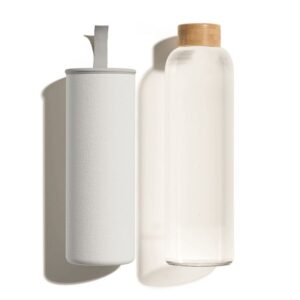
Plastic tries hard but carries baggage. It absorbs odors. It stains. Leave it in a hot car once and you’ll never forget that smell. Steel looks tough, yet it brings a faint metallic note that lingers. Glass stays quiet. Like a good friend. Always there. Never interrupting.
Taste Is the First Deal Breaker
People swear they drink more water after switching to glass. It sounds dramatic until you try it. No flavor transfer. No aftertaste. Cold water stays crisp. Warm water stays clean. Think of it like drinking from a real glass at home instead of a mystery cup at a party.
Plastic leans porous. Steel reacts with acidic drinks. Glass just sits there, minding its business.
Health Peace of Mind Without the Paranoia
A glass water bottle doesn’t leach chemicals. That sentence alone ends many debates. You don’t need charts or lab coats to get the point. Glass has been used for centuries. Wine. Medicine. Baby bottles. It earned trust the slow way.
Plastic keeps changing formulas. Steel often needs inner linings. Glass asks for nothing extra.
Cleaning Without the Guesswork
Ever scrubbed a bottle forever and still smelled yesterday’s smoothie? That’s plastic trauma. Glass cleans fast. Soap. Rinse. Done. No ghost flavors. No lingering funk.
Durability Isn’t Just About Surviving Falls
Yes, glass can break. So can phones. We still use them. Modern glass bottles often come with silicone sleeves that soften drops and add grip. Breakage becomes rare, not routine.